
case study
USAID Bureau for Humanitarian Assistance (BHA) Anthropometric Study
Study Design: Cross-sectional anthropometric and dietary diversity study.
Population: Caregivers and Children 0-23 months in 4 districts in Zambezia Province, Mozambique.
Sample size & Sampling: 1,073 children 0-23 months surveyed for anthropometric measurements and 583 caregivers of children 6-23 months for the dietary diversity questionnaire.
Key Results: The overall prevalence of stunting in the sample is classified as very high at 38.3%. Stunting prevalence for boys was higher than girls at 46.3% for boys compared to 30.6% for girls. Already in the first age group of 0-5 months, 26.3% of children were stunted. Overall minimum acceptable diet, which combines both meal frequency and dietary diversity, is 20.1%.
Study Successes: We achieved a score of “excellent” on the ENA data quality score for anthropometric measurements. Data was successfully collected in November 2024 during a post-election crisis in Mozambique. Despite the protests, network blackouts, and insecurity resulting from the post-election crisis, we were able to collect reliable quality data on time and within budget.
Lessons Learned: Anthropometric standardization during enumerator training is essential to quality data. Investing in our partnership with University Lurio in northern Mozambique and including their recent nutrition graduates as anthropometrists and experienced nutritionists as supervisors elevated the quality of the anthropometric and dietary diversity data. Detailed lists of community calendar of events helped with age estimation to ensure accurate data.
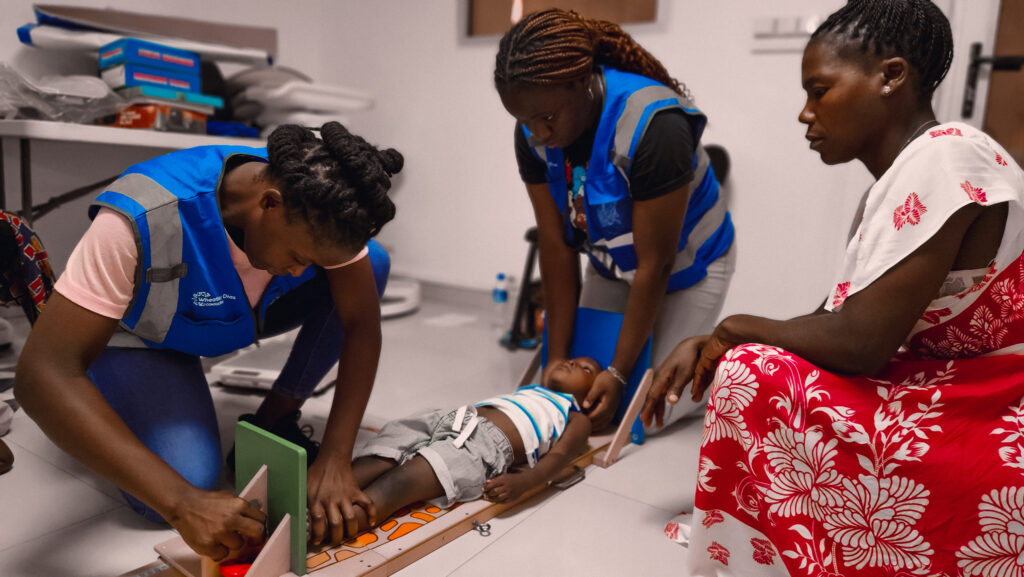
Description: Anthropometry standardisation training with UniLúrio nutrition students in Quelimane, Zambézia Province. Trainees practise accurate length-measurement techniques using an infant length board while also learning how to appropriately engage and involve caregivers during the process. This hands-on training was a key factor in ensuring high-quality anthropometric data collection during the study, strengthening both measurement skills and caregiver collaboration.