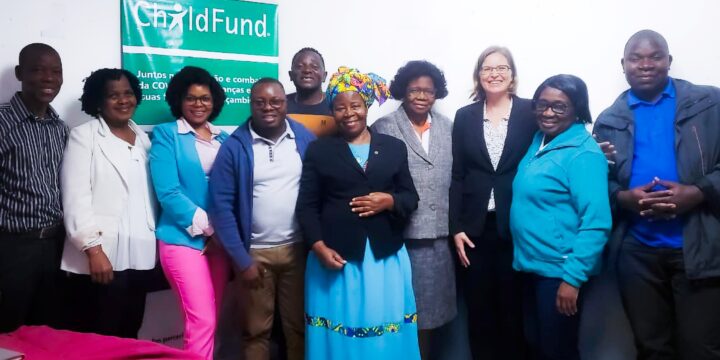

USAID Bureau for Humanitarian Assistance (BHA) Anthropometric Study
case study USAID Bureau for Humanitarian Assistance (BHA) Anthropometric Study Study Design: Cross-sectional anthropometric and dietary diversity study.Population: Caregivers and Children 0-23 months in 4 districts in Zambezia Province, Mozambique. Sample size & Sampling: 1,073 children 0-23 months surveyed for anthropometric measurements and 583 caregivers of children 6-23 months for the dietary diversity questionnaire.Key Results: The overall prevalence of stunting in the sample is classified as very high at 38.3%. Stunting prevalence for boys was higher than girls at 46.3% for boys compared to 30.6% for girls. Already in the first age group of 0-5 months, 26.3% of children were stunted. Overall minimum acceptable diet, which combines both meal frequency and dietary diversity, is 20.1%.Study Successes: We achieved a score of “excellent” on the ENA data quality score for anthropometric measurements. …